
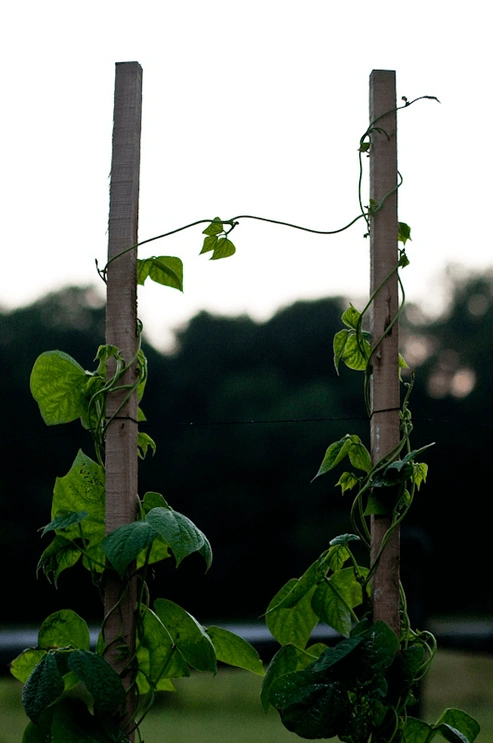
Isahluko seshumi nanhlanu
---
Umvini Namagatsha
---
1. Mina ngingumvini weqiniso, noBaba uMlimi.
2. Lonke igatsha elikimi elingatheli isithelo, uyalisusa; futhi wonke othela isithelo, uyasithena, ukuze sithele isithelo.
3. Senihlambulukile ngezwi engilikhulume kini.
4. Hlalani Kimi, nami kini; njengalokhu igatsha lingethele isithelo ngokwalo, ngaphandle kokuthi lihlale emvinini, ngokunjalo nani, uma ningahlali kimi.
5 Mina ngingumvini, nina ningamagatsha; ohlala kimi, nami kuye, lowo uthela izithelo eziningi; ngokuba ngaphandle kwami ningenze lutho.
6 Uma umuntu engahlali kimi, ulahlwa ngaphandle njengegatsha, abune; bawabuthe, bawaphonse emlilweni, ashiswe.
7. Uma nihlezi kimi, namazwi ami ehlezi kini, celani enikuthandayo, nizakukwenzelwa.
8 UBaba uyakhazinyuliswa ngalokhu, ukuba nithele izithelo eziningi, nibe-ngabafundi bami.
---
Umlayezo wesahluko esandulele ngokuyinhloko wawungowenduduzo nenduduzo. Eqala ngamazwi aqinisekisayo, “Inhliziyo yenu mayingakhathazeki,” uJesu watshela abafundi Bakhe ukuthi wayezobalungisela indawo, ukuthi uMoya oNgcwele wawuyoba nabo, futhi wayeyobanikeza ukuthula kwaKhe. Lezi ngezinye zezithembiso neziqinisekiso eziningi uJesu azenza lapho eqala inkulumo yakhe yokuvalelisa. UJesu wathi kubo: “Niyakholwa kuNkulunkulu; kholwani nakimi” (Johane 14:1). Nakuba izinhliziyo zabo zazikhathazekile, uJesu wakhuthaza abafundi Bakhe ukuba bakholwe Kuye, babeke ithemba labo Kuye, futhi babe nokholo Kuye.
Nakuba ukholo luyisisekelo, kumelwe lube ngaphezu kokukholelwa nje. Ukholo lweqiniso kumelwe lubonakaliswe ekuphileni kwethu, ikakhulukazi ngezenzo zenkonzo yothando. Uma kungenjalo, kufana nembewu engakatshalwa. Ngeke kuze kufezeke. Ngakho-ke, njengoba uJesu ephetha ingxenye yokuqala yenkulumo Yakhe yokuvalelisa, uthi kubafundi Bakhe, “Sukumani, sisuke lapha” (Johane 14:31). Ngala mazwi, uJesu unxusa abafundi Bakhe ukuthi bangaphumuli nje okholweni, kodwa bavuke futhi baguqule lolo kholo lube isenzo esithela izithelo. Njengoba uJesu esho evesini elilandelayo, “Mina ngingumvini weqiniso, futhi uBaba wami ungumlimi. Lonke igatsha elikiMi elingatheli izithelo uyalisusa; futhi lonke igatsha elithela isithelo uyalithena, ukuze lithele isithelo esiningi.Johane 15:1-2). 1
Umfanekiso wesivini ubalulekile. Unyaka ngamunye, ngaphambi nje kokuqala kwenkathi elandelayo yokukhula, umgcini-sivini udabula isivini, aqale akhiphe amagatsha afile, abese ethena aphilayo ukuze athele izithelo ezengeziwe. Njengoba nje isivini kumelwe sihlanzwe unyaka ngamunye ngaphambi kokuba kuqale ukukhula, izwi uJesu alikhuluma liye laba nethonya elihlanzekile kubafundi bakhe. Njengoba uJesu esho, “Nina senihlambulukile ngezwi engilikhulume kini” (Johane 15:3).
UJesu ufundise abafundi bakhe izinto eziningi. Uye wabafundisa ukuthi ukuphila kungaphezu kokufuna ukuvelela kanye nenzuzo yezinto ezibonakalayo. Ubafundise ngombuso wezulu nezinto ezibavimbayo ukuba babhekane nawo. Okubaluleke kakhulu, ubafundise ukuthi ukukholwa kweqiniso kumayelana nokukholwa kuNkulunkulu nokugcina imiyalelo. Kafushane, bayakwazi okufanele bakwenze. Ngokuphathelene nalokho, “bahlanzekile.”
Kodwa ukuze ukuphila kwabo kuthele izithelo, kudingeka balalele izimfundiso zikaJesu futhi baphile ngazo. Kusekwenzeni, hhayi nje ekucabangeni, lapho abafundi bazohlala bexhumene noJesu. Uthando Lwakhe, ukuhlakanipha, namandla ayogelezela kuwo futhi adlule kuwo njengoba uketshezi lomvini lugelezela emagatsheni. Njengoba uJesu esho kubo, “Hlalani kimi, nami kini. Njengoba igatsha lingethele isithelo ngaphandle kokuthi lihlale emvinini, ngokunjalo nani, ngaphandle kokuba nihlale Kimi.”Johane 15:4). 2
KuMathewu, uMarku, noLuka, uJesu ukhuluma ‘ngesithelo somvini’ phakathi nokuphathwa kweSidlo Sakusihlwa Esingcwele. Kulawo mavangeli amathathu okuqala, uJesu uthi kubafundi Bakhe, “Angisayikuphuza lesi sithelo somvini kusukela manje kuze kube yilolo suku engiyosiphuza ngalo nani sisisha embusweni kaBaba” (Mathewu 26:29; bhekafuthi Marku 14:25 futhi Luka 22:18). Nokho, eVangelini NgokukaJohane, uJesu akasho lutho ngokuphuza isithelo somvini esikhathini esithile esizayo embusweni kaYise. Kunalokho, uJesu uthi kubafundi bakhe: “Mina ngingumvini, nina ningamagatsha. Ohlala kimi, nami kuye, uyothela izithelo eziningi. Ngokuba ngaphandle kwami aninakwenza lutho” (Johane 15:5).
Lawa akuwona amazwi omuntu ojwayelekile, noma ngisho nalawo aguquke kakhulu. Lawa ngamazwi aKhe owathi: “Mina ngiyindlela, neqiniso, nokuphila. Akekho oza kuBaba ngaphandle kokuba eze ngami” (Johane 14:6). Lawa ngamazwi alowo owathi, “Ongibonile mina umbonile uBaba” (Johane 14:9). Lawa ngamazwi aKhe owathi, “Ngokuba ngiphila, nani nizakuphila” (Johane 14:19).
UJesu ube esenezela lesi sixwayiso: “Uma umuntu engahlali kimi, ulahlwa ngaphandle njengegatsha, abune; bawabuthe, bawaphonse emlilweni, ashe.”Johane 15:6). Uma kubhekwa njengoba kunjalo, lokhu kuzwakala njengosongo lwesijeziso saphakade emlilweni wesihogo. Nokho, ngokujule ngokwengeziwe inkulumo ethi “kubuthelwe kuphonswe emlilweni futhi kushiswe” ibhekisela ekuphileni okuvutha izifiso zobugovu. Lokhu kuhlanganisa “ukushiswa” inkanuko, “ukuvutha” intukuthelo, “ukushiswa” lapho singayitholi indlela yethu, nokuzizwa “sikhathele” ngoba asiphumuli eNkosini. Lena incazelo engokomoya yelithi “isihogo somlilo.” 3
Amagatsha afile angase abe yizinkuni, kodwa awakwazi ukuthela izithelo. Nathi ngeke sikwazi ngaphandle kokuthi sixhumene neNkosi. Ngokuphathelene nalokhu, umfanekiso womvini namagatsha uxwayisa ngokuphila okugxile nje ekuphishekeleni izifiso zezwe nokwanelisa isifiso sobugovu. Noma sibonakala sikhiqiza kakhulu, uma iNkosi ingekho emizamweni yethu, singamagatsha afile. Ngakho-ke, uJesu uqhathanisa le mizamo negatsha elinqunywa esihlahleni laphonswa emlilweni. 4
Lo mfanekiso awusona nje isixwayiso esinamandla ngokumelene nokuphishekela izifiso zezwe ngaphandle kokuphumula kuNkulunkulu. Kuyisixwayiso futhi ngokungenzi lutho. Nakuba iZwi lifundisa ukuthi ezulwini siyophumula emisebenzini yethu, akusho ukuthi kufanele singenzi lutho. Kusho nje ukuthi kufanele siphumule kuNkulunkulu, kunokuba sizikhandle, kungakhathaliseki ukuthi senzani. Kulomfanekiso, njengakwezinye izindawo eziningi, uJesu akakhuthazi abafundi bakhe ukuba bangenzi lutho, kodwa kunalokho ukuba bathele. Lokhu kungenxa yokuthi injabulo yasezulwini iwusizo. Kuyindawo kanye nesimo somqondo lapho uNkulunkulu esebenza ngaphakathi kithi futhi ngathi ukuze sithele izithelo. 5
---
“Ubaba ungumlimi”
---
Lapho uJesu ezichaza njengoMvini Weqiniso, ubhekisela kuYise njengoMlimi. Umsebenzi womlimi ukunakekela isivini, eqinisekisa ukuthi imivini isesimweni esihle kakhulu sempilo, ngaleyo ndlela eqinisekisa ukuthi izoqhubeka ithela izithelo. Lokhu kuhlanganisa ukusika amagatsha afile njalo nokuthena amagatsha amahle ukuze athele izithelo ezengeziwe.
Ezimpilweni zethu, izifiso ezimbi kanye nemibono engamanga kufanele kuqedwe ngoba azinakho ukuphila okuvela eNkosini. Bamane bangamagatsha afile. Inzondo, impindiselo, nonya ngamanye amagatsha afile okufanele anqunywe futhi ashiswe emlilweni.
Ngesikhathi esifanayo, kungase kube nezifiso nemicabango ewusizo edinga ukuthenwa. Ngokwesibonelo, kuvamile ukuba siziqhenye ngezinto ezinhle esizenzayo. Nokho, endleleni, singase siqale ukubona ukuthi kukhona injabulo engaphakathi emsebenzini owusizo, noma ngabe siyavuzwa noma cha noma siyahlonishwa ngalokho esikwenzayo. Ekugcineni, sifinyelela ekuboneni nasekuqondeni ukuthi konke okuhle kuvela eNkosini kuphela, ukuthi yiNkosi ekithi eyenza okuhle, futhi isekujabuleni esikuzwayo. Kulesi simo, akusekho ukuziqhenya, noma ukuqashelwa, noma inkokhelo. Kunalokho, ngokuzithoba sithi, “Ngiyabonga, Nkosi.” 6
---
Ukuzalwa kabusha nokukhazinyuliswa
---
Inqubo yokususa amagatsha afile kanye nokuthenwa okuhle, ihlobene nokuvuselelwa kwethu. Noma yini engenamsebenzi kithi, okungukuthi, lezo zifiso kanye nemicabango eholela eziphethweni ezifile, uJehova uzokususa ngomusa. Futhi noma yini ewusizo kithi, noma enamandla, iNkosi izothena ukuze siqhubeke sikhule sibe abantu abawusizo nabathelayo.
Lokhu kuyiqiniso nangenqubo yokudumisa kweNkosi. Endabeni Yakhe, amagatsha afile ayekuthambekela ebubini balo lonke uhlobo Azuza njengefa ngokuzalwa Kwakhe komuntu. Kuyo yonke impilo Yakhe, lezi zimo zizodinga ukunqunywa, njengamagatsha afile. Mayelana nalokhu, konke ukuhlasela okuvela esihogweni kwamvumela ukuba abhekane nenye ingxenye yalelifa, kancane kancane esuse wonke amanga kanye nokuthambekela ebubini, ukuze kuthathelwe indawo ubunkulunkulu okwakungumphefumulo Wakhe. 7
Kufanele kuphawulwe, nokho, ukuthi inqubo yokukhazinyuliswa kukaJesu ayifani ncamashi nenqubo yethu yokuzalwa kabusha. Endabeni kaJesu, uthando olungcwele ngaphakathi Kwakhe, alubiza ngokuthi “uBaba,” lwamenza wakwazi ukunqoba zonke izilingo zokulwa. Kulolu thando lwaphezulu, okwakuwumphefumulo Wakhe uqobo, lapho uJesu ekwazi khona ukuthola imibono yaphezulu eyamnika ikhono lokwehlukanisa phakathi kwamanga neqiniso, ububi nobuhle.
Ngenxa yale mibono enikezwe ngokwaphezulu evela ngaphakathi, uJesu wakwazi ukuqhubeka azehlukanise nokubi namanga kuyilapho ethola okuhle nokuyiqiniso. Lokhu wakwenza kukho konke ukuphila Kwakhe, kwaze kwaba sesiphambanweni. Kwakuwuhlelo lokusika nokuthena olwalungenzeka kuphela ngenxa yemibono yeqiniso laphezulu elaligeleza othandweni olungcwele olungaphakathi Kwakhe. Kungakho uJesu ethi, “UBaba ungumlimi.” 8
Ngokungafani noJesu, thina asinawo umphefumulo waphezulu. Kunalokho, sinomphefumulo oklanyelwe ukwamukela lokho okugeleza kuvela kuNkulunkulu ngeZwi laKhe. Asiwona uMvini, futhi asisibo uMlimi. Simane singamagatsha amukela lokho okugeleza kuvela kuNkulunkulu ukuze sithele izithelo. Uma nje sihlala Kuye, futhi ehlala kithi, iqiniso Lakhe nokulunga kwakhe kuyogeleza kithi ngokubona kanye namandla okunqoba ekulweni nezilingo esiyobhekana nazo nakanjani.
Ngenxa yalokho, ububi namanga avimbela ukuqhubeka kwethu isikhathi eside azosuswa, futhi konke okuhle neqiniso kithi kuyothenwa—okungukuthi, kuthuthukiswe—ukuze sithele nakakhulu. Njengoba uJesu asho, “Uma nihlala Kimi, namazwi ami ehlala kini, niyakucela enikuthandayo, nizakukwenzelwa.”Johane 15:7).
---
“niyakuba ngabafundi bami”
---
Ngakho-ke, umgomo uwukuthela izithelo. Akekho kithi ongathela izithelo. NguJehova kuphela ongakwenza lokho. Kodwa uma sihlala sixhumene nomthombo, ‘singathela’ izithelo, njengoba nje namagatsha esihlahla esebenza njengengxenye yenqubo yokuthela izithelo. Ngezinga esenza ngalo lokhu, sikhazimulisa uBaba wethu osezulwini. Njengoba uJesu asho, “UBaba uyakhazinyuliswa ngalokhu, ukuba nithele izithelo eziningi.”Johane 15:9). Ukukhonza abanye ngenhliziyo enothando, ngeqiniso uJesu asinike lona, yikho okukhazimulisa uNkulunkulu. Lokhu kuhlanganisa ukwenza umsebenzi womuntu ngobuqotho, ngokwethembeka, nangenkuthalo. Sithela kanjena izithelo. 9
Kulokhu uJesu wenezela la mazwi, “niyakuba-ngabafundi baMi.” Sekungokwesithathu kuleli vangeli uJesu ekhuluma ngalokho okudingekayo ukuze ube umfundi wakhe. Isenzakalo sokuqala sasisesahlukweni sesishiyagalombili lapho uJesu ethi, “Uma nihlala ezwini lami, ningabafundi Bami isibili. Niyolazi iqiniso, futhi iqiniso liyonikhulula.”Johane 8:31-32). Lapha kugcizelelwa ekuguqulweni kokuqonda. Imayelana neqiniso.
Okwesibili kwakusesahlukweni seshumi nantathu, ngemva nje kokuba uJesu egeze izinyawo zabafundi Bakhe. Ngaleso sikhathi uJesu wathi kubo: “Ngalokho bonke bayakukwazi ukuthi ningabafundi bami, uma ninothando phakathi kwenu.”Johane 13:35). Lapha kugcizelelwa ekuthuthukisweni kwencwadi yefa entsha. Imayelana nothando.
Manje, esahlukweni seshumi nanhlanu, uJesu uyaphinda futhi ubuyela esihlokweni salokho okudingekayo ukuba ngumfundi. “Ngalokhu uBaba uyakhazinyuliswa,” esho. “Ukuze nithele izithelo eziningi: niyakuba-ngabafundi bami” (Johane 15:8). Lapha kugcizelelwa ukuhlala eNkosini ukuze siphile ukuphila okuwusizo. Imayelana nenkonzo.
Khona-ke, siba abafundi lapho iqiniso leNkosi, nothando lweNkosi, kuhlangana kithi ukuze ‘sithele izithelo’ ohlotsheni oluthile lwenkonzo ewusizo. 10
---
Isicelo esingokoqobo
---
Ngokuvamile kuthiwa kufanele, “Zithembe,” Ukholelwe kuwena,” futhi “Landela inhliziyo yakho.” Nakuba lezi zingaba iziqinisekiso ezikhuthazayo, uma zimshiya ngaphandle uNkulunkulu, zingaba izinkulumo eziyize. Lokho kungenxa yokuthi “inhliziyo” yethu, lapho iyekelwa yodwa, futhi ngaphandle kokuqondisa kweqiniso, izokhiqiza eyayo imibono ukuze ithethelele noma yini efiswa yimvelo yethu ephansi. Kungalesi sizathu uJesu athi, “Uma nihlala Kimi, namazwi ami ehlala kini, niyakucela enikuthandayo, nizakukwenzelwa.”Johane 15:7). Uma kunjalo—lapho amazwi kaJesu ekithi—singalandela inhliziyo yethu nezifiso zayo. Njengoba kulotshiwe emiBhalweni yesiHeberu, “Thembela eNkosini wenze okuhle . . .AmaHubo 37:3-4). Ngakho-ke, njengesenzo esisebenzayo, qaphela ekwamukeleni amazwi angaxhumene nomvini. Njengoba uJesu esho, “Mina ngingumvini, nina ningamagatsha . . . Ngaphandle kwami aninakwenza lutho” (Johane 15:5).
---
Thandanani
---
9. Njengalokhu uBaba engithandile, nami nginithandile; hlalani othandweni lwaMi.
10. Uma nigcina imiyalo yami, niyakuhlala othandweni lwami, njengalokhu nami ngigcinile imiyalo kaBaba, ngihlala othandweni lwakhe.
11 Lezizinto ngizikhulume kini, ukuze intokozo yami ihlale kini, lokuthi intokozo yenu igcwale.
12. Yilo umyalo wami wokuba nithandane, njengalokho nginithandile.
13. Akakho onothando olukhulu kunalolu, lokuthi umuntu adele ukuphila kwakhe ngenxa yabangane bakhe.
14 Ningabangane bami, uma nenza lokho enginiyala ngakho.
15. Angisasho ukuthi niyizinceku, ngokuba inceku ayikwazi okwenziwa inkosi yayo; kodwa ngithe ningabangane, ngokuba konke engikuzwe kuBaba nginazisile khona.
16 Nina aningikhethanga, kodwa mina nginikhethile, nganibeka ukuba nihambe, nithele isithelo, nesithelo senu sihlale, ukuze noma yini eniyakukucela kuBaba egameni lami aninike nina.
17. Nginiyala lezi zinto ukuba nithandane.
---
Imfundiso kaJesu yomvini namagatsha iyisikhumbuzo esinamandla sokuthi kudingeka sihlale sixhumene nomvini ukuze sithele. Kule ngxenye elandelayo yenkulumo. UJesu unikeza imininingwane eyengeziwe ngalokho okudingekayo ukuze uhlale uxhumene nomvini. Uthi, “Njengoba uBaba engithandile, nami nginithandile; hlalani othandweni lwaMi. Uma nigcina imiyalo yami, niyohlala othandweni lwami, njengalokho nami ngigcine imiyalo kaBaba futhi ngihlala othandweni lwakhe.”Johane 15:9-10).
Ngakho-ke, isihluthulelo sokuhlala uxhumekile emvinini ukugcina imiyalo—futhi ukwenza kanjalo ngothando. “Uma nigcina imiyalo yaMi,” kusho uJesu, “niyohlala othandweni lwami.” Ngenxa yalokho, siyothola ukugcwala kwenjabulo. “Lezi zinto ngizikhulume kini,” kusho uJesu, “ukuba ukuthokoza kwami kube-kini, nentokozo yenu igcwale.”Johane 15:11). Ukuze nje aqiniseke ukuthi abafundi bakhe bayalithola iphuzu, uJesu uphinda umyalo Wakhe mayelana nokuthi yini edingekayo ukuze uhlale uxhumekile emvinini. Wathi: “Yilo umyalo waMi, wokuba nithandane, njengalokho nginithandile.”Johane 15:12).
Yilokhu uJesu akutshela abafundi Bakhe ngemva kokuba ebagezile izinyawo. Nakhu Ephinda futhi. Kulokhu Unezela la mazwi alandelayo: “Akakho onothando olukhulu kunokuba adele ukuphila kwakhe ngenxa yabangane bakhe” (Johane 15:13).
Igama elihunyushwe lapha ngokuthi “ukuphila” empeleni lithi psychēn (ψυχὴν) elingahunyushwa nangokuthi “umphefumulo,” “ingqondo,” noma “umoya.” Lokhu kusiyisa ekujuleni. Lisikisela ukuthi “ukubeka phansi ukuphila kwethu” akusho nje ukubeka ukuphila kwethu empini engokoqobo. Siphinde futhi sibizelwe enkundleni yempi kamoya lapho sibeka phansi yonke imizwa engemihle nokuzihlanganisa nobugovu. Lokhu kungase kuhlanganise, kodwa kungagcini lapho, inzondo, ukucasuka, ukuzidabukela, umona, indelelo, nokwesaba.
Ngokuvamile, ukubeka phansi ukuphila kwethu kuwukwehlisela ngokuzithandela uthando lwethu siqu kanye nezwe, okubonakala kukhulu kithi, ngenxa yothando olukhulu kakhulu—uthando lukaNkulunkulu nothando lomakhelwane. Yilokhu okushiwo “ukubeka ukuphila kwethu ngenxa yabangane bethu.” Alukho uthando oludlula lolu.
UJesu wabe esethi: “Ningabangane bami, uma nenza lokho enginiyala ngakho” (Johane 15:14). Ubuhlobo bethu noNkulunkulu buqala ngokulalela okulula. Kodwa kufika isikhathi lapho singasenzi khona lokho uNkulunkulu asiyala ngakho ngenxa nje yokulalela. Kunalokho, siqala ukuqonda. Sibona ukucabanga ngaphakathi kwamazwi kaNkulunkulu. Kunengqondo kithi. Ngakho-ke uJesu uthi: “Angisasho ukuthi niyizinceku, ngokuba inceku ayikwazi lokho inkosi yayo ekwenzayo. Kodwa nginibize ngokuthi ningabangane, ngoba zonke izinto engizizwile kuBaba nginazisile zona.”Johane 15:15). 11
Njengoba intuthuko yethu engokomoya iqhubeka, asiqali ukubona ukucabanga okuphakathi kwamazwi kaJesu kuphela, kodwa futhi nobuhle obungaphakathi eqinisweni Lakhe, ikakhulukazi njengoba sisebenzisa lelo qiniso ezimpilweni zethu futhi sithola izinguquko zangaphakathi ezenzekayo. Njengoba lukhula othandweni lwethu ngoNkulunkulu nabanye, lolu thando lubonakala ekuphileni kwethu njengenkonzo ewusizo. Kulapho sibona khona ukuthi yonke le nqubo—kusuka ekulaleleni, kuye ekuqondeni, kuye othandweni—ibe yenziwa iNkosi, hhayi eyethu. Njengoba uJesu esho evesini elilandelayo, “Aningikhethanga mina, kodwa mina nginikhethile, nganimisa ukuba nihambe nithele izithelo, nokuba izithelo zenu zihlale.”Johane 15:16). 12
Nakuba ukubonakala kungukuthi sikhethe uNkulunkulu, iqiniso liwukuthi uNkulunkulu ubelokhu ekhona, enxusa ngokuthula nangobumnene ukuba amukelwe. BekuyiNkosi, sonke lesikhathi, eyaqala inqubo yabe isiholela kuyo. Ngokuyimfihlo, ngaphandle kokwazi kwethu, iNkosi ibisebenza ngaphakathi kwethu kukho konke ukuphila kwethu. Ebusheni bethu bokuqala kanye nasebuntwaneni bethu, iNkosi yasinika amathuba okuthanda abazali bethu, abanakekeli bethu, othisha, izingane zakwethu, kanye nesidlala nabo. “Wasikhetha” kanje, nangaphambi kokuba simkhethe. 13
Ezifundeni zethu ezihamba phambili, sasijabulela ukujabulisa abazali bethu, noma ngabe ukubadwebela isithombe, ukusiza ukuphakela izilwane ezifuywayo, noma ukushanela ikhishi. Kungenzeka kube nezikhathi lapho sazwelana nabanye, sabelana ngamathoyizi ethu ngenjabulo, noma sasho isibusiso ngokuzithoba ngaphambi kokudla. Kungase futhi kube nezikhathi lapho sasizizwa sithandwa futhi sivikelekile, njengalapho sihlezi emathangeni omzali silalele indaba, noma lapho sibambe isandla sikagogo nomkhulu lapho sihamba, noma sizumeka esifubeni sikamama ngenkathi yena. cula ilullaby noma wathandaza. Le mibono yamathenda ayilokothi ilahleke. Eqinisweni, zingahlala phakade. 14
Indlela elula yokubhekisela kulezi zifundazwe ezibusisiwe ezingahlala phakade ukuzibiza ngokuthi “izinsalela.” Kodwa lokhu akufanele kudidaniswe negama elivame kakhulu elisikisela ukudla okusele, insalela yasendulo, noma umzimba wesilwane noma umuntu ofile. Ngomqondo ophakeme nongcwele kunawo wonke, igama elithi “kusala” lisebenza kuzo zonke izimo zobuhle neqiniso ezingaphakathi kwethu—izifunda esaziphiwa ngokukhululekile njengezingane nabantwana, zithi ezilondolozwe kithi ngokumangalisayo yiNkosi futhi eziyohlala kukho konke ukuphila kwethu. ukuphila. Ngazo siyakwazi ukuthola iqiniso elivela eNkosini. 15
Njengezingane, sazithola lezi zifundazwe ngesihle. Nokho, isikhathi siyeza lapho kumelwe sicele ukuthola lezi zimo zothando nezimfanelo ezizisekelayo ukuze siqhubeke sithela izithelo. Ngakho-ke, uJesu uthi, “Noma yini eniyakukucela kuBaba egameni lami, uyoninika khona.”Johane 15:16). 16
“Igama” leNkosi liyizimfanelo zayo kithi. Nokho, ukuze senze lezi zimfanelo zibe ezethu, kudingeka sizijwayeze ngokuqaphela zize zibe imvelo yethu entsha—noma imvelo yethu yesibili, ngomqondo ongokomfanekiso. Kungalesi sizathu uJesu ephetha le ngxenye yenkulumo ngesiyalo esiphindaphindiwe, “Lezizinto nginiyala ngazo, ukuba nithandane” ( NW )Johane 15:17).
---
Isicelo esingokoqobo
---
Umyalo wokuthandana uye waphindwa kaningi kuyo yonke le ngxenye yenkulumo yokuvalelisa. Kuphela ngomkhuba oqhubekayo wokuthandana lapho uthando lweNkosi lungaba yingxenye yemvelo yethu entsha, ephakeme. Nakuba singase sithambekele ekukholweni ukuthi “singabantu abalungile ngokuyisisekelo,” lokhu kungenxa yokuthi iNkosi isiphe kusukela ekuzalweni kwethu izinsalela zobuhle neqiniso. Kodwa lezi zipho azibi yingxenye yethu kuze kube yilapho sizisebenzisa ngokuqaphela nangokuqhubekayo. Ngakho-ke, njengesicelo esiwusizo, sebenzisa wonke amathuba ukwenza ngemicabango nezinhloso zothando. Ukukusiza kulokhu, khumbula “izinsalela” zakho—lezo zimo ezibusisekile ezigcinwe kuwe. Lokhu kungase kuhlanganise izikhathi lapho wawuthanda khona ngokuzenzakalelayo abazali bakho, abanakekeli bakho, kanye nabangane, izikhathi lapho wawuzizwa uthandwa, unakekelwa, futhi uvikelekile, kanye nezikhathi lapho wawunomuzwa wokuba khona kukaNkulunkulu ekuphileni kwakho. Ukukhumbula izinkumbulo ezithile kuzosiza. Zigcwalise ngalokhu kuzindla, ukhumbule ukuthi lezi zimo zaziyizibikezelo zenjabulo yasezulwini oyoyithola njalo lapho wenza umyalo kaJesu othi, “thandanani.”
---
“Bangizonda Ngaphandle Kwesizathu”
----
18. Uma izwe linizonda, yazini ukuthi langizonda Mina ngaphambi kwenu.
19. Uma beningabezwe, izwe belizothanda okwalo; kodwa ngenxa yokuthi anisibo abezwe, kodwa mina nginikhethile ezweni, ngenxa yalokhu izwe liyanizonda.
20. Khumbulani izwi engalikhuluma kini: Inceku ayinkulu kunenkosi yayo. Uma bengizingele Mina, nani bayonizingela; uma beligcinile izwi lami, nelenu bayakuligcina.
21 Kodwa konke lokhu bayakukwenza kini ngenxa yegama lami, ngokuba bengamazi ongithumileyo.
22 Uma bengingafikanga ngakhuluma kubo, ngabe abanasono; kepha manje abanakuzenzisa ngesono sabo.
23 Ongizondayo uzonda noBaba.
24 Uma bengingenzanga phakathi kwabo imisebenzi engenziwanga omunye, ngabe abanasono; kodwa manje sebebonile futhi bazonda mina noBaba.
25 Kodwa ukuze ligcwaliseke ilizwi elilotshiweyo emthethweni wabo elithi: Bangizonda ngeze.
---
Lapho uJesu eqala inkulumo Yakhe yokumvalelisa, umlayezo Wakhe wawugcwele amazwi enduduzo nesiqiniseko. Wabe eseqhubeka ekhuthaza abafundi bakhe ukuba bahlale kuye, njengoba nje negatsha kumelwe lihlale emvinini ukuze lithele izithelo. Wabatshela nokuthi indlela yokuhlala bexhumene Naye ukugcina imiyalo Yakhe, futhi, ikakhulukazi, ukuthanda omunye nomunye.
UJesu ubatshela konke lokhu azi ukuthi ubunzima obukhulu buseza, Yena kanye labafundi bakhe. Ngakho-ke uJesu uthi kubo: “Uma izwe linizonda, niyazi ukuthi langizonda mina ngaphambi kwenu.”Johane 15:18). Ezingeni elingokoqobo, uJesu uthi kuyoba nabantu abayozonda abafundi ngenxa yokuzimisela kwabo ukumlandela nokumemezela umlayezo Wakhe. Eqinisweni, umlando ubika ukuthi amaKristu amaningi ashushiswa ngonya. Isibonelo, uStefanu, omunye wabalandeli bakaJesu bokuqala, wakhandwa ngamatshe waze wafa (bheka IzEnzo 7:56-60), UJakobe, umfowabo kaJohane, wabulawa ngenkemba (bheka IzEnzo 12:2), UPetru waboshwa (bheka IzEnzo 12:3-6), uJohane wadingiselwa esiqhingini esithiwa iPhatmose (bheka IsAmbulo 1:9).
Ezingeni elijulile, uJesu ukhuluma ngohlobo lokushushiswa kwangaphakathi esiyobhekana nakho njengoba silwela ukuphila ngokuvumelana nokholo lwethu Kuye nasezimfundisweni Zakhe. Umzabalazo wokunqoba ukuthambekela kwethu ebubini esikuzuze njengefa nesikuzuzile ngeke ube lula. Zonke izinyathelo zokuya phezulu zizohlangatshezwa ukuthambekela okulinganayo nokuphikisayo kokusibuyisela phansi. Ngokwezinga esiye sakhululeka ngalo ngemizwa yethu elimazayo, imicabango, kanye nokuziphatha kwethu, ngisho nokukwenza kube ngokwejwayelekile, kuzoba nzima kakhulu ukuzithintitha sikhululeke ekubambeni kwabo. Izifiso zezwe kanye nokungabaza okunganyakazi kuyoba impi ngokumelene nezifiso ezingokomoya nokholo kuNkulunkulu.
Kodwa uJesu uqinisekisa abafundi bakhe ukuthi uma nje beqhubeka bemlandela, ngeke babuswe yilezi zifiso nokungabaza. Noma kunjalo, basazobhekana nokuphikiswa. Njengoba uJesu asho, “Uma beningabezwe, izwe belizothanda okwalo; kodwa ngenxa yokuthi anisibo abezwe, kodwa nganikhetha ezweni, ngalokho izwe liyanizonda.”Johane 15:19).
UJesu ube esebakhumbuza ngemfundiso yakhe yangaphambili lapho ekhuluma nabo ngokuthi kungani ezimisele ukugeza izinyawo zabo. Ephinda futhi, kodwa kulo mongo omusha, uJesu uthi, “Inceku ayinkulu kunenkosi yayo” (Johane 15:20; bhekafuthi Johane 13:16). Engqikithini edlule, uJesu wayethi uma Yena, iNkosi nomfundisi wabo, ezimisele ukugeza izinyawo zabo, kufanele bazimisele ukugezana izinyawo. Kulo mongo omusha, uJesu uthi uma ezoshushiswa, abafundi Bakhe kufanele baqonde ukuthi nabo bazoshushiswa. Njengoba uJesu asho, “Uma bangizingela mina, bayonizingela nani” (Johane 15:20).
Njengoba nje uJesu eshushiswa ngenxa yeqiniso ayezele ukuzolifundisa, ngokufanayo nabafundi bayoshushiswa. Nokho, ukushushiswa kwenzeka ngaphandle nangaphakathi. Ngaphandle, kuyoba nabantu abaphikisa ngobudlova okushiwo abafundi, njengoba nje ababhali nabaFarisi bamelana noJesu futhi benza itulo lokumbulala. Ngesikhathi esifanayo, kuyophinde kube nokuphikiswa kwangaphakathi kwemimoya emibi ezonda iqiniso. Phela, lapho ukukhanya kweqiniso kubakhanyisela, imimoya emibi iyobaleka ukuze isindise ukuphila kwayo noma izilwele ngonya, izame ukukucisha lokho kukhanya. Njengoba kulotshiwe ngaphambili kuleli vangeli, “Yilowo nalowo owenza okubi uzonda ukukhanya, futhi akezi ekukhanyeni, ngoba esaba ukuthi izenzo zakhe ziyodalulwa.”Johane 3:20). 17
Ngokusobala, uJesu uyanezela ukuthi “uma beligcinile izwi lami, nelenu bayakuligcina” (Johane 15:20). Nakuba kuyoba nokushushiswa okunzima kwalabo abalizondayo iqiniso, kuyoba nokwamukelwa ngokwazisa phakathi kwalabo abathanda iqiniso. Lokhu akulona iqiniso kuphela endizeni yangaphandle yokuphila kwethu, kodwa futhi endizeni yangaphakathi. Kukhona imibuso kithi ezojabulela ukuzwa iqiniso. Kuzosebenza ukondla, ukuqinisa, futhi kusekele konke esikukholelwa ezinhliziyweni zethu ukuthi kuyiqiniso. Lapho imbewu enhle iwela emhlabathini omuhle ithela izithelo ezinhle.
Lokhu kulunga kwangaphakathi, njengoba sishilo ngaphambili, kuyisipho esivela eNkosini esibizwa ngokuthi “kusala.” Sinikezwa ngesihle sisebancane naseminyakeni yethu yokuqala ukuze sikwazi ukwamukela iqiniso uma lifika kithi. Kukhona nezinye izikhathi, futhi, kuzo zonke izimpilo zethu, lapho izinsalela zobuhle ezijule ezigxilile zinyakaziswa, futhi izinsalela ezintsha, ikakhulukazi ezihlobene nokuqonda iqiniso, zitshalwa ngokuyimfihlo. 18
Lezi zinsalela, noma imibono engcwele, inikezwa ngesihle futhi ayithathwa. Kungakhathaliseki ukuthi sibabiza ngegama lesihe, umusa, uthando, ububele, noma ububele, zonke ‘ziyigama leNkosi’—izimfanelo nezimfanelo zikaNkulunkulu ezinathi. Ngisho nabantu abakhohlakele kakhulu basenazo izinsalela. Ngeshwa, baye bacindezela lezi zimfanelo zothando kubo kangangokuthi izinsalela azikho nhlobo kubo.
Njengoba bengenalo uthando, bayalizonda igama likaNkulunkulu—okungukuthi, izimfanelo zikaNkulunkulu. Futhi bazimisele ukushushisa noma ubani onesibindi sokuxoxa nabo ngeqiniso. Ekhuluma ngalesi simo, uJesu uthi kubafundi bakhe: “Kepha konke lokhu bayakukwenza kini ngenxa yegama lami, ngokuba abamazi ongithumileyo.”Johane 15:21).
UJesu utshela abafundi bakhe ukuthi abantu abakhohlakele abazi, futhi abafuni ukwazi, ukuthi liyini iqiniso, luyini uthando, noma ukuthi uNkulunkulu ungubani. Yilokhu uJesu akushoyo lapho ethi, “Ongithumileyo abamazi.” Lokhu bekulokhu kunjalo kuyo yonke inkonzo kaJesu. Njalo lapho uJesu eveza ubunjalo Bakhe bobunkulunkulu ngamazwi nangezenzo Zakhe, wayephikiswa ngobudlova ababhali nabaFarisi. Lapho uJesu ethethelela izono, bamsola ngokuhlambalaza. Lapho uJesu ephulukisa abagulayo, bamsola ngokusebenza ngeSabatha. Akukho lutho uJesu alusho noma alwenza olwalungabaqinisekisa.
Ngakho-ke, uJesu manje uthi, “Ukuba bengingafikanga ngakhuluma kubo, ngabe abanasono, kepha kalokhu abanazaba ngesono sabo” (Johane 15:22). Ababhali nabaFarisi babengafuni nje ukukukholelwa lokho uJesu ayekusho; futhi abazange bashukunyiswe amakhono Akhe ayisimangaliso. Inzondo yabo kokubili ngeqiniso nothando elivela kulo yayinamandla kakhulu. Njengoba uJesu asho, “Ongizondayo uzonda noBaba” (Johane 15:23).
Ngomqondo ongokoqobo, uJesu ukhuluma ngababhali nabaFarisi ababemzonda ngenxa yokuthi amazwi nezenzo Zakhe bezilokhu kuveza ubuzenzisi nenkohlakalo yabo. Ngaphambi kokuza kukaJesu, babewagcinile amandla abo futhi bagcina abantu besaba ngokuchaza kwabo umbhalo oqinile, ikakhulukazi ngokuveza kwabo uNkulunkulu ethukuthele, ejezisa, futhi ephindisela.
Kulo lonke leli vangeli, uJesu ubelokhu ecacile mayelana nenkohlakalo yababhali nabaFarisi. Ubelokhu ebanikeza iqiniso ngaso sonke isikhathi, kodwa akulona lokho abafuna ukukuzwa. Yiqiniso, akekho kithi ongathweswa icala ngalokho esingakwazi. Kodwa lapho sethulwa ngeqiniso, futhi lapho licaciswa ngokucacile ukuthi iqiniso ligcwele uthando lukaNkulunkulu, kuba isimo esihlukile. Uma sifulathela, sithi, “Akusikho lokho engifuna ukukuzwa,” ikakhulukazi ngoba akusekeli izifiso zemvelo yethu ephansi, sizilethele okwethu ukulahlwa. Njengoba uJesu esho, “Uma bengingenzanga phakathi kwabo imisebenzi engenziwanga omunye, ngabe abanasono; kodwa manje sebebonile futhi bangizonda mina noBaba” (Johane 15:24).
Njengoba uJesu ephetha le ngxenye yenkulumo yakhe yokuvalelisa, uqinisekisa abafundi bakhe ukuthi konke lokhu kuzokwenzeka ngoba kudingekile ukugcwalisa imibhalo. Njengoba uJesu asho, “Kodwa konke lokhu kuwukuba kugcwaliseke okulotshiweyo eMthethweni ukuthi: ‘Bangizonda ngaphandle kwesizathu.Johane 15:25). Isitatimende esithi, “BaNgizonda ngaphandle kwesizathu,” singatholakala ku AmaHubo 35:19 lapho kulotshiwe ukuthi: “Mazingathokozi izitha zami ngeze, nabangizondayo ngeze.” Futhi, ku AmaHubo 69:4 kulotshiwe ukuthi: “Abangizondayo ngeze baningi kunezinwele zekhanda lami,” naphakathi AmaHubo 109:3 kulotshiwe ukuthi: “Bangihaqile ngamazwi anenzondo, bangihlasela ngaphandle kwesizathu.”
Asikho isizathu esifanelekile sokuzonda into ehloniphekile nehloniphekile kumuntu wakubo. Futhi akunakuba nesizathu esilungile sokuzonda okuhle nokuyiqiniso eNkosini. Konke ukuhlaselwa kweqiniso nakho konke ukushushiswa kobuhle kuvela endaweni engalungile—okungukuthi, esihogweni. Imimoya yesihogo iye yagxilisa ukungahambisani nanoma yini enhle neyiqiniso, futhi ikakhulukazi inzondo ngoJesu eyanquma ukumbulala. Inzondo yawo ngoJesu yayijulile futhi igcwele yonke indawo. BaMzonda ngaphandle kwesizathu. 19
---
Isicelo esingokoqobo
---
Noma nini lapho kuphakama ukungqubuzana phakathi kwethu, ikakhulukazi lapho kuhilela isifiso sethu sokuphila ngokuvumelana neqiniso, kuyoba nokulwa. Kuwukungqubuzana kwezifiso ezimbi ngokumelene nezinhloso ezinhle, nokuhlasela okubi ngamanga, nokuvikela okuhle ngeqiniso. Kuzo zonke izimpi zalolu hlobo, okuwukuphela kwendlela yethu yokuzivikela iqiniso elivela eZwini leNkosi. Kithina, le mpi ingase izwakale njengokukhathazeka kuphela. Kodwa kuningi okuqhubekayo. INkosi uqobo isebenzisa iqiniso esilifake engqondweni ukuze isuse amanga futhi ivikele ubuhle. Ngale ndlela uJehova usilethela ukunqoba ezikhathini zokulingwa. Ngakho-ke, njengesenzo esisebenzayo, lapho uzithola usempikiswaneni, kungakhathaliseki ukuthi ingaphandle noma ingaphakathi, makube yisikhathi sokukhuphukela phezulu, wethembele eNkosini naseqinisweni leZwi laKhe. Ningadangali. Njengokulotshiweyo emibhalweni yesiHeberu ukuthi: “Kwathi lapho bebahlupha, kwayikhona banda, banda;Eksodusi 1:12). 20
---
“Lapho Efika UMduduzi”
---
26 Futhi nxa esefikile uMduduzi engizamthumela kini evela kuBaba, umoya weqiniso ophuma kuBaba, lo uzafakaza ngami.
27 Nani niyakufakaza, ngokuba ninami kwasekuqaleni.
---
Iqiniso elisivikelayo futhi elisiqinisayo ngezikhathi zokulingwa libizwa ngokuthi “uMduduzi.” Kuyisiqiniseko sobukhona beNkosi. Njengoba uJesu asho, “Futhi lapho esefikile uMduduzi, engizonithumela kini evela kuBaba, umoya weQiniso ophuma kuBaba, lo uyofakaza ngami” (Johane 15:26). Omunye-ke umsebenzi kaMduduzi ukusikhumbuza ukuthi iNkosi ikhona. Njengoba uJesu asho kubafundi Bakhe esahlukweni esandulele, “Angiyikunishiya niyizintandane; ngizoza kuwe” (Johane 14:8).
Igama lesiGreki, elihunyushwe ngokuthi uMduduzi, lithi Paraklētos (Παράκλητος). Lisho, ngokwezwi nezwi “ukuza eceleni” lisuka elithi para elisho “eceleni” nelithi kletos elisho “ubiziwe, noma umenyiwe.” Ngalesi sizathu, lihunyushwe nangokuthi “umsizi” noma “uMmeli.” Kunoma ikuphi, kungakhathaliseki ukuthi sikhetha igama elithi “uMduduzi,” “uMsizi,” noma “uMmeli,” kusikisela ukuthi asisodwa ekulweni nezilingo. Asizona izintandane. Singamema iNkosi ukuba ibe ngakithi.
Kubalulekile futhi ukuqaphela ukuthi uJesu uhlala ebiza uMduduzi, noma uMsizi, noma uMmeli, ngokuthi uMoya oNgcwele. Ngokwesibonelo, ngasekupheleni kwesahluko esandulele, uJesu wathi kubafundi Bakhe, “UMsizi, uMoya oNgcwele, uBaba azowuthumela egameni lami, uyonifundisa zonke izinto futhi anikhumbuze konke engikushilo kuwo. wena” (Johane 14:26). 21
Ngaphambi kokubethelwa nokuvuka Kwakhe, uJesu uhlala ekhuluma ngokuthumela uMduduzi kanye nokuza kukaMoya oNgcwele esikhathini esizayo. Lokhu kungenxa yokuthi inqubo yokukhazimulisa ayikapheleli. Njengoba uJohane eshilo ekuqaleni kulelivangeli, “uMoya oNgcwele wayengakafiki, ngokuba uJesu wayengakakhazinyuliswa” (Johane 7:39). Kodwa isikhathi salowo mcimbi wesikhathi esizayo sikhula sisondela. Ngakho-ke uJesu uthi, “Lapho uMduduzi esefikile … lokhu kuzofakaza ngami” (Johane 15:26).
Ngamanye amazwi, lapho uJesu esekhazinyulisiwe, futhi engasenabo ngoMuntu, uyophinde eze kubo—hhayi ngesimo senyama asithatha ngenkathi enabo emhlabeni, kodwa, ngokujule kakhulu, ube nabo emoyeni. UJesu uyoba nabo ngaso sonke isikhathi njengoMoya oNgcwele, ngisho naphakathi kobunzima babo. Uyoba khona ukuze abaduduze, abaqinise, futhi alethe iqiniso Lakhe, nomoya weqiniso Lakhe, esikhumbuzweni sabo.
Njengoba uJesu eza kithi njengoMoya oNgcwele, esikhumbuza iqiniso elifakaza Ngaye, nathi, sizonikezwa umsebenzi wokufakaza kwabanye ngoJesu. Akazange abe nathi nje kuphela ebuntwaneni nasebuntwaneni bethu, kodwa futhi kuyo yonke le ndlela endleleni yethu yokuzalwa kabusha. Njengoba uJesu esho, “Nani-ke niyakufakaza, ngokuba beninami kwasekuqaleni” (Johane 15:27). 22
---
Isicelo esingokoqobo
---
Nakuba amazwi avelele esahlukweni esandulele kwakungeyenduduzo nenduduzo, lesi sahluko siphetha ngokugxila enzondweni nasekushushisweni abafundi ababeyobhekana nakho, ikakhulukazi njengoba belwela ukufakaza ngoJesu. Phakathi nalezi zikhathi zokushushiswa, okuwukuphela kwethemba labo lokunqoba liyoba ukuhlala bexhumene noMvini—okungukuthi, ukuhlala eqinisweni uJesu abanike lona, ikakhulukazi iqiniso lokuthi kufanele bathandane. Ngakho-ke, njengesenzo esiwusizo, qaphela ukuthi ushushiso luyeza. Kuzovela ukungabaza. Uzolingeka ukuba ulahle imigomo yakho ephakeme kakhulu kanye nezifiso ezingokomoya. Lesi yisikhathi sokuhlala uxhumene noNkulunkulu, ngokuhlala eZwini Lakhe futhi umvumele ukuba akhumbule iqiniso olidingayo ngalesi sikhathi. Bizani igama laKhe. Okungukuthi, thandazela isibindi Sakhe esikhundleni sokwesaba. Thandazela ukuqonda Kwakhe esikhundleni sokucasuka. Thandazela ukuthula Kwakhe esikhundleni sokukhathazeka. Ngale ndlela, uNkulunkulu uyakuba nawe njengoMsizi, uMoya weqiniso, Lowo oyokusekela, akuqinise, futhi akulwele ngezikhathi zokulingwa. Hambani phambili ngegama leNkosi. 23
---
Footnotes:
1. Izimfihlakalo Zezulu 2839: “Uthando olungenalo ukholo alulona uthando lwangempela, futhi ukholo ngaphandle kothando alulona ukholo. Ukuze kube khona uthando, kufanele kube nokukholwa; futhi ukuze kube khona ukholo, kufanele kube nothando; kodwa okubalulekile ngokwako kuwuthando; ngoba kakukho kwenye indawo inhlanyelo ewukholo ingatshalwa. Kusukela ekuhlanganeni kwalokhu okubili ngokulinganayo nangokuvumelana kukhona umshado wasezulwini, okungukuthi, umbuso weNkosi. Ngaphandle kokuthi ukukholwa kutshalwe ekusizeni, kuwulwazi nje lwenkumbulo, ngoba aluqhubeki phambili kunenkumbulo. Alukho uthando lwenhliziyo olwamukelayo. Kodwa uma itshalwe ekusizeni, okungukuthi, empilweni, iba ukuhlakanipha nokuhlakanipha. "
2. I-Apocalypse Ichazwe 650:40: “Amazwi athi, ‘Umuthi uyothela isithelo sawo’ abonisa ukuveza okuhle kokuphila ngolwazi [lokuhle neqiniso]. Lokhu kungenxa yokuthi ‘umuthi’ ufanekisela ... ingqondo egcwele ulwazi, futhi ‘isithelo’ sibonisa ubuhle bempilo.” Bhekafuthi Nomshado Wasezulwini 135: “Isihlahla sifanekisela umuntu; nesithelo sawo, ubuhle bempilo. Ngakho-ke umuthi wokuphila ufanekisela umuntu ophila kuNkulunkulu, noma uNkulunkulu ophila kumuntu. Futhi ngenxa yokuthi uthando nokuhlakanipha nomusa nokholo noma okuhle neqiniso kwakha ukuphila kukaNkulunkulu kumuntu, umuthi wokuphila ufanekisela lezi zimfanelo, umuntu anokuphila okuphakade kuzo.”
3. Inkolo YeQiniso yobuKhrestu 455: “Isihogo sithokozela ubumnandi bazo zonke izinhlobo zobubi; okungukuthi, injabulo enzondweni, ekuphindiseleleni, ekubulaleni; ubumnandi bokuphanga nokweba; ubumnandi bokuhlambalaza nokuhlambalaza; injabulo yokuphika uNkulunkulu nokungcolisa iZwi…. Abantu ababi bavutha ngalezi njabulo njengezimbaqa ezivuthayo. Lezi zinjabulo ziyilokho iZwi elikushoyo ngesihogo somlilo.” Bhekafuthi I-Apocalypse Yembulwa 766:2: “Abantu abasothandweni lokuzikhukhumeza bavutha intukuthelo ... futhi bavutha inzondo nokuziphindiselela kulabo ababaphikisayo.” Bhekafuthi Izimfihlakalo Zezulu 10038: “Inkulumo ethi ‘ukuvutha umlilo’ isho ukuzithanda okudla zonke izimpahla neqiniso lokholo kumuntu . . . yikho okushiwo ‘isihogo somlilo.’”
4. I-Arcana Coelestia 3147:7: “Imisebenzi emihle iyimisebenzi emibi ngaphandle uma lezo zinto zisusiwe eziwuthando lobumina kanye nolwezwe; ngokuba lapho kwenziwa imisebenzi ingakasuswa, ibonakala imihle ngaphandle, kepha ngaphakathi imibi; ngoba zenziwa ngenxa yegama, noma inzuzo, noma ngenxa yodumo, noma ukuphindisela…. Kodwa lapho lobu bubi bususiwe, uthando lwasezulwini nothando olungokomoya lugeleza luvela eNkosini lungene emisebenzini futhi lubangele ukuba kube uthando nothando olusebenzayo.”
5. Izimfihlakalo Zezulu 6410: “Ukuthokoza kokuhle kanye nobumnandi beqiniso obangela isibusiso ezulwini, akuhlanganisi ukungenzi lutho, kodwa ekusebenzeni; ngokuba ebuvileni intokozo nobumnandi buba ngukungajabulisi nobubi; kodwa emsebenzini, injabulo nentokozo kuhlala njalo futhi kuyakhuthaza, futhi kubangela isibusiso.” Bhekafuthi Umusa 168: “Sonke isisebenzi esibheka eNkosini futhi sigweme okubi njengezono, sigwema ukuvilapha, ngoba singumcamelo kaSathane.”
6. Izimfihlakalo Zezulu 548: “Lona kanye uhlobo lothando luwukuthola injabulo yalo ekukhonzeni abanye, hhayi ngenxa yobumina kodwa ngenxa yothando.” Bhekafuthi IJerusalema Elisha Nezimfundiso Zalo Zasezulwini 105: “Labo abanokuzithanda nothando lwezwe njengombono wabo ukuphela ... abakwazi ukuqonda ukuthi ukuzimisela nokwenza okuhle kumakhelwane ngaphandle kokufuna umvuzo kwenza izulu kumuntu, nokuthi okutholakala kulolu thando kuyinjabulo enkulu njengaleyo yothando. izingelosi ezulwini.” Bhekafuthi I-Apocalypse Yembulwa 949:2: “‘Umvuzo’ uyisibusiso sangaphakathi esibizwa ngokuthi ‘ukuthula’ … futhi lokhu kuvela eNkosini kuphela.”
7. IJerusalema Elisha Nezimfundiso Zalo ZaseZulwini 295: “Lapho iNkosi isikhazimulise ubuntu Bayo ngokugcwele, yabe isikhumula ubuntu eyabuzuza kunina, yembatha ubuntu eyabuzuza kuYise, okuwubuntu boBunkulunkulu.” Bheka futhi Imfundiso YeJerusalema Elisha Mayelana Imfundiso yeJerusalema Elisha Mayelana neNkosi 12: “Kuyaziwa ebandleni ukuthi uJehova wakunqoba ukufa, okusho ukuthi isihogo, futhi emva kwalokho wenyukela ezulwini ngenkazimulo. Kodwa akukaziwa ukuthi iNkosi yanqoba ukufa, noma isihogo, ngezimpi, eziyizilingo, futhi ngesikhathi esifanayo ngazo zakhazimulisa uMuntu Wakhe; nokuthi intshiseko yesiphambano kwakuyimpi yokugcina noma isilingo Afeza ngaso lokhu kunqoba kanye nokukhazinyuliswa…. Izilingo azilutho ngaphandle kokulwa nesihogo.”
8. I-Arcana Coelestia 2500:2: “Umyalelo weNkosi … wawungezambulo eziqhubekayo, futhi ngaleyo ndlela ngemibono nemicabango yaphezulu evela Kuyo, okungukuthi, evela kuNkulunkulu Wakhe; okuyimibono nemicabango ayifake ekuhlakanipheni nasekuhlakanipheni kwaphezulu, futhi lokhu kuze kube sekuhlanganisweni okuphelele kobuntu Bakhe nobuNkulunkulu Bakhe. Le ndlela yokukhula ngokuhlakanipha ayinakwenzeka kunoma yimuphi umuntu; ngoba lageleza livela kobuNkulunkulu uqobo, okwakungaphakathi Kwakhe, elikaYise, akhulelwa kuye; ngaleyondlela kusukela othandweni LobuNkulunkulu uqobo Lwalo, iNkosi yodwa eyayinalo.”
9. Nomshado Wasezulwini 9[4]: “Ukukhazinyuliswa kukaNkulunkulu … kusho ukuveza izithelo zothando, okungukuthi, ukwenza umsebenzi womuntu ngokwethembeka, ngokwethembeka, nangenkuthalo. Ngoba lokhu kuwumphumela wothando ngoNkulunkulu nothando ngomakhelwane.”
10. Nomshado Wasezulwini 10[7]: “Injabulo yezulu nenjabulo yaphakade ayihlangene nendawo, kodwa nesimo sempilo yomuntu. Isimo sempilo yasezulwini sivela othandweni nasekuhlakanipheni. Futhi ngenxa yokuthi inkonzo ewusizo iyisitsha esinakho kokubili uthando nokuhlakanipha, isimo sokuphila kwasezulwini sivela ekuhlanganiseni kwakho kokubili enkonzweni ewusizo.” Bhekafuthi Inkolo YamaKristu Eqiniso 737:3: “Intokozo yomphefumulo ... ivela othandweni nasekuhlakanipheni okuvela eNkosini. Uthando yilo oluveza lokhu kuthokozisa, futhi ukuhlakanipha kuyindlela ekuveza ngayo. Kokubili uthando nokuhlakanipha kuthola ikhaya emthelela onawo, futhi lowo mphumela uwusizo…. Engadini yasezulwini ipharadesi, akukho nokukodwa, ngisho neqabunga elincane, elingaveli emshadweni wothando nokuhlakanipha okuwusizo. Ngakho-ke, uma sinalowo mshado kithi ngokwethu, khona-ke sisepharadesi lasezulwini, futhi ngenxa yalokho sisezulwini ngokwalo.”
11. I-Arcana Coelestia 8979:2: “Umuntu webandla langaphandle wenza ngokulalela ngoba uyalwe kanjalo. Lokhu kulandela ukuthi umuntu webandla langaphakathi ukhululekile, kodwa umuntu webandla langaphandle uyinceku. Noma ubani owenza ngothando, wenza ngokukhululeka, kodwa umuntu olalelayo akakhiphi inkululeko, ngoba ukulalela akuyona inkululeko.”
12. I-Apocalypse Ichazwe 409:9: “Ukuthi abazona izinceku, kodwa bangabangane noma abantu abakhululekile abamukela iqiniso laphezulu emfundisweni nasempilweni evela eNkosini, kufundiswa ngala mazwi, ‘Uma nikwenza konke enginiyala ngakho, angisasho ukuthi niyizinceku, kodwa ningabangane. .’ Lokhu futhi kufundiswa ngala mazwi, ‘Konke engikuzwile kuBaba nginazisile kini, ukuze nihambe nithele isithelo.’ Ukuyala nokwazisa, kubhekisela emfundisweni. futhi ukuthela izithelo kubhekisela ekuphileni. Ukuthi laba bavela eNkosini kufundiswa kanjalo, ‘Aningikhethanga mina, kodwa mina nginikhethile futhi nganimisa.
13. Inkolo YeQiniso yobuKhrestu 498: “INkosi ikhona kuwo wonke umuntu ngenkululeko yomuntu. Kuleyo nkululeko, nangaleyo nkululeko, uJehova uhlale enxusa abantu ukuba bamamukele. Ngesikhathi esifanayo, nokho, Akalokothi ayisuse noma ayisuse leyo nkululeko. Lokhu kungenxa yokuthi asikho isenzo sikamoya esingahlala ngaphandle kokuthi senziwe ngenkululeko. Ngakho-ke, kungashiwo ukuthi yile nkululeko evumela iNkosi ukuba ihlale emphefumulweni womuntu.”
14. Izimfihlakalo Zezulu 561: “Izinsalela azizona nje kuphela izinto ezinhle namaqiniso umuntu awafunde eZwini leNkosi kusukela ewusana, futhi ngaleyondlela agcizelele enkumbulweni yakhe, kodwa futhi zonke ziyizimo ezitholakala lapho, njengezimo zobumsulwa kusukela ebuntwaneni; izimo zothando kubazali, abafowabo, othisha, abangani; izimo zothando kumakhelwane, futhi kanjalo nesihawu kwabampofu nabaswele; ngezwi, zonke izimo ezinhle neqiniso. Lezi zifundazwe kanye nezimpahla namaqiniso agcizelelwe enkumbulweni, zibizwa ngokuthi izinsalela…. INkosi igcina lezi zifunda kubantu ngendlela yokuthi kungalahleki nokuncane kubo…. Lapho izimo zobubi namanga ziphindaphinda—kokunye nalokhu, ngisho nokuncane kakhulu, kusala futhi kubuye—khona-ke lezi zimo zithonywa iNkosi ngezimo ezinhle.”
15. I-Arcana Coelestia 10110:4: “Okuhle kutshalwe kubantu kusukela beseyizinsana ukuze kube indiza yokwamukela iqiniso.”
16. I-Apocalypse Ichazwe 295:3: “Isizathu sokuthi kuthiwa noma yini abangathanda ukuyicela, mayenzelwe labo abahlala eNkosini, futhi amazwi ayo ahlala kubo, ukuthi uma kunjalo ngeke lutho ngaphandle kwalokho iNkosi ebanika ukuba bakuthande, futhi lokhu kuhle, futhi okuhle kuvela kuYe.” Bhekafuthi Ambulo sAmbuliwe 951: “Abantu abaseNkosini abafisi ngakho abaceli lutho olungaphumi kuJehova; futhi noma yini abayifisayo nabayicela eNkosini, iyenzeka…. Izingelosi ezisezulwini zifisa nje okuthile ukuze zikuthole. Lokhu kungenxa yokuthi bafisa kuphela izinto ezingase zibe usizo, befisa lokhu njengokungathi ngokwabo, kodwa eqinisweni kuvela eNkosini.”
17. Izimfihlakalo Zezulu 59: “Ngesikhathi sokungqubuzana, kukhona imimoya emibi ezonda ngokuphelele yonke into enhle neyiqiniso, okungukuthi, zonke izici zothando nokholo eNkosini - izakhi zodwa ezinhle neziyiqiniso ngoba ziqukethe ukuphila okuphakade. Bhekafuthi I-Arcana Coelestia 2349:2: “Abamelene nokuhle kwesisa bamelene neNkosi; noma kunjalo, abasebubini bazonda ukukhanya, futhi abezi ekukhanyeni. ‘Ukukhanya’ kuwukukholwa eNkosini, futhi kuyiNkosi uqobo Lwakhe.”
18. I-Arcana Coelestia 1906:2-3: “Ngaphandle kwezinsalela, okuyizimo zobuhle ... abantu bebeyoba nonya ukwedlula noma yisiphi isilwane. Lezi zimo zobuhle zinikezwa yiNkosi futhi zitshalwe esimweni semvelo somuntu lapho umuntu engakwazi. Empilweni yakamuva, abantu basathola izinsalela, kodwa bayizifunda ezihlobene kakhulu neqiniso kunobuhle…. Zenza abantu bakwazi ukucabanga futhi baqonde ukuthi yini enhle neyiqiniso empilweni yomphakathi neyangasese…. Ngokuthi ‘izinsalela’ kubhekiselwa kuzo zonke lezo zimo lapho umuntu eba umuntu, iNkosi kuphela eyenza umsebenzi.”
19. Izimfihlakalo Zezulu 5061: “Mayelana nalabo abanenzondo ngaphandle kwesizathu .... Lapho imimoya enjalo ibona nje indawo yomuntu eyamzondayo, iphefumulela incithakalo yakhe…. Ngokuba inzondo iphambene nothando nothando, futhi iyinzondo, futhi njengokungathi inzondo engokomoya; ngakho-ke, lapho imimoya enjalo ibona kokunye ukuphila indawo yomuntu enenzondo ngaye, ivele ifuthelane.” Bhekafuthi Izimfihlakalo Zezulu 3340: “Esihogweni, kukhona ukufutheka kobuhlanya ngokumelene nokuhle nokuyiqiniso, futhi ngaphezu kwakho konke ngokumelene neNkosi…. Ukube iNkosi ibingaqhubeki iluxosha lolo laka uhlanga lwesintu luyoshabalala.” Bhekafuthi I-Apocalypse Ichazwe 1013:4: “Inzondo yemimoya yesihogo imelene nabo bonke abenza okuhle… Kungumlilo ovutha inkanuko yokubhubhisa imiphefumulo. Ngaphezu kwalokho, lokhu akuveli enzondweni kulabo abazama ukubabhubhisa, kodwa kuvela enzondweni emelene neNkosi uqobo. Manje njengoba umuntu engumuntu ovela kuJehova, futhi umuntu ovela kuJehova muhle neqiniso, futhi njengoba abasesihogweni banenzondo emelene noJehova, bashisekela ukubulala umuntu, okuhle nokubi. iqiniso, kulandela ukuthi isihogo siwumthombo wokubulala ngokwaso.”
20. Izimfihlakalo Zezulu 6663: “Ngaphambi kokuba abantu abaphile impilo yemithetho yeNkosi baphakanyiselwe ezulwini futhi bahlanganiswe nemiphakathi lapho, bahlaselwe ububi namanga aphathelene nabo ukuze lobu bubi namanga kususwe…. Imimoya efana nobubi namanga ikhona, futhi ishikashikeka ngazo zonke izindlela ukuze ibaholele kude neqiniso nokuhle. Kodwa noma kunjalo abakacwi shí ebubini babo nasemangeni abo ukuze ukungena ngezingelosi ezivela eNkosini kungabi namandla; futhi ibhalansi igcinwa ngokunemba. Inhloso yalokhu, ukuthi abantu abahlaselwe babonakale bekhululekile, futhi ngaleyo ndlela balwe nobubi namanga ngokwabo, nokho ngokuvuma, uma kungenjalo ngaleso sikhathi, kodwa kamuva, ukuthi wonke amandla. lokumelana lavela eNkosini. Lapho lokhu kwenziwa, akuqiniswa nje amaqiniso nezimpahla ezazitshalwe ngaphambili, kodwa kugxiliswa okwengeziwe; lokhu kuwumphumela wazo zonke izimpi ezingokomoya lapho umlwi enqoba khona.”
21. Inkolo YeQiniso yobuKhrestu 139: “Njengoba iNkosi iyiqiniso eliphelele, yonke into ephuma Kuye iyiqiniso. Lonke leli qiniso laziwa ngokuthi uMduduzi, obuye abizwe ngokuthi uMoya weQiniso noMoya oNgcwele.”
22. I-Arcana Coelestia 6993:1-2: “UZiqu-zintathu wonke, okungukuthi, uYise, iNdodana, noMoya oNgcwele, uphelele eNkosini, futhi ngenxa yalokho kukhona uNkulunkulu oyedwa, hhayi abathathu…. EZwini, kukhulunywa ‘ngoYise, iNdodana, noMoya oNgcwele’ ukuze abantu bavume iNkosi kanye nobuNkulunkulu obukuyo. Ngoba abantu babesebumnyameni obukhulu, njengoba kunjalo nanamuhla. Kungenjalo, bebengeke bavume noma yibuphi ubuNkulunkulu ebuntwini beNkosi; ngokuba lokhu, ekubeni kungaqondakali ngokuphelele, bekuyoba ngaphezu kwakho konke ukukholwa. Futhi, ngaphezu kwalokho, kuyiqiniso ukuthi kukhona uZiqu-zintathu, kodwa munye, okungukuthi, eNkosini; futhi kuyavunywa emasontweni obuKristu ukuthi uZiqu-zintathu uhlala kuYe ngokuphelele.”
23. IJerusalema Elisha Nezimfundiso Zalo Zasezulwini 191 195: “Izilingo zilwa ngamaqiniso okukholwa avela eZwini. Abantu kumele bawasebenzise ukulwa nobubi namanga. Uma besebenzisa ezinye izindlela ngaphandle kwalezi, abazuzi, ngoba kungalezi kuphela lapho iNkosi ikhona…. NguJehova kuphela olwela abantu ezilingweni. Uma bengakholelwa ukuthi yiNkosi kuphela ebalwelayo futhi abanqobele, khona-ke babhekana nesilingo sangaphandle, esingabasizi ngalutho.”


